
5 Star Adriatic & Greece 10-Night Cruise
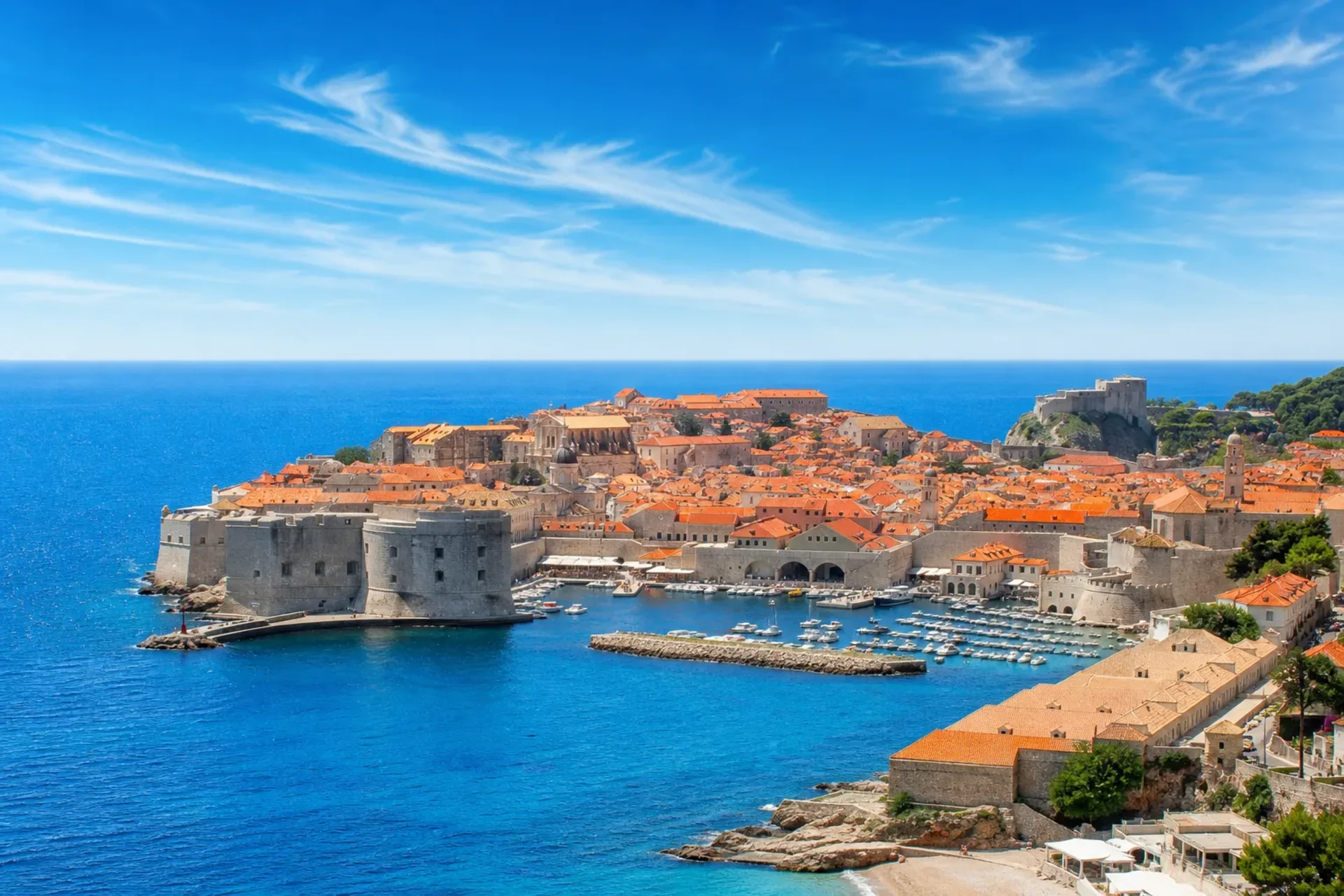
This 10-night Adriatic Greece cruise aboard the 5-star Enchanted Princess is a fantastic way to see the historic highlights of the Mediterranean and the Adriatic Sea. For Irish travellers looking for a well-organised holiday, this itinerary includes everything from flights from Dublin and port transfers to full-board dining. Your journey begins in Rome, where you will board one of the most modern ships in the Princess fleet, designed with comfort and variety in mind. Throughout your voyage, you will visit a wide range of destinations, each offering its own unique history and character.
In Italy, you will have the chance to explore Naples and the dramatic coastline near Vesuvius before sailing across the turquoise waters of the Adriatic. The Croatian ports of Dubrovnik and Split are particular highlights, where you can walk through perfectly preserved medieval streets and visit the grand Roman ruins of Diocletian’s Palace. Montenegro’s Bay of Kotor offers some of the most striking scenery in the region, with its walled town set against steep mountains. As you continue your Adriatic Greece cruise into Greek waters, you will visit the lush island of Corfu and the historic site of Olympia, the birthplace of the Olympic Games.
The final leg of your journey takes you to the islands of Crete and Mykonos. In Heraklion, you can explore the ancient Palace of Knossos, while Mykonos offers a mix of charming streets and ancient mythology at the nearby ruins of Delos. Life on board the Enchanted Princess is just as engaging, with more pools and hot tubs than previous ships in the class, along with world-class entertainment and a variety of dining venues. You will also use the Ocean Medallion, a clever wearable device that makes everything from boarding to ordering a drink by the pool much simpler. This is an escorted cruise experience that balances structured excursions with plenty of time to relax at sea, ensuring you return home with wonderful memories of these ancient lands.
What flights are included in the price?
What is the dining like on the Enchanted Princess?
What is the Ocean Medallion?
What's Included+
- Booking advice from your Travel Escapes travel advisor
- Flight from Dublin to Rome
- Airport transfers to the port
- 10 nights onboard the 5* Enchanted Princess based on 2 sharing
- Ocean Medallion™ wearable smart device
- Superb dining on a full board basis
- Entertainment onboard
- Return transfer from port to airport
- Flight from Athens to Dublin
- Taxes, charges and 20kg check-in bag per person
Itinerary
1Arrival in Rome and Ship Boarding+
Upon your arrival at the airport in Rome, you will be met and transferred directly to the port. Here, you will board the 5-star Enchanted Princess to begin your journey through the Mediterranean.
2Explore Naples and Mount Vesuvius+
Your first port of call is Naples, a city full of energy and history. You can take in the sights of the famous blue bay, with the impressive Mount Vesuvius as your backdrop, or explore the bustling streets known for their local character.
3Relaxing Day at Sea on Your Adriatic Greece cruise+
Enjoy a day to yourself as the ship sails toward Croatia. Take this time to familiarise yourself with the facilities on board, from the varied dining options to the pools and whirlpool hot tubs.
4The Walled City of Dubrovnik+
Arrive in Dubrovnik, where the limestone streets and Baroque buildings of the old town never fail to impress. Take a walk along the ancient city walls or enjoy a cable car ride up to Mt Srd for views over the shimmering Adriatic.
5Historic Split and Diocletian’s Palace+
In Split, you can step back in time within the walls of Diocletian’s Palace, a UNESCO World Heritage site. This living monument is home to shops and cafes set amongst Roman ruins, all with a stunning coastal mountain backdrop.
6Medieval Charm in Kotor+
Sail into the moody Bay of Kotor in Montenegro. This medieval maze of churches and Venetian palaces is perfectly preserved, offering a step back in history within its cobblestone lanes and mountain-framed harbour.
7Green Landscapes of Corfu+
Corfu welcomes you with its lush green hills and Venetian-style architecture. Whether you choose to explore the cultural roots of Corfu Town or find a quiet cove by the cobalt-blue waters, the island offers a relaxing stop.
8The Birthplace of the Olympics+
From the port of Katakolon, it is a short journey to ancient Olympia. Visit the ruins of the gymnasium, the wrestling school, and the great Temple of Zeus, where the first Olympic games were held over a thousand years ago.
9The Palace of Knossos in Heraklion+
Arrive in Crete’s capital, Heraklion. The city is famous for the nearby Palace of Knossos, a massive archaeological site that provides a fascinating look into the ancient Minoan civilisation.
10Windmills and Ruins in Mykonos+
Spend the day in Mykonos, famous for its iconic white windmills and narrow boutique-lined streets. You may also choose to visit the nearby island of Delos, the legendary birthplace of Apollo and Artemis.
11Your cruise concludes in the port of Piraeus. After disembarking, you will be transferred to the airport for your return flight back to Dublin.+
| Date | Acc. | Price | Booking |
|---|---|---|---|
| 15 Sep 2026 | Inside Cabin | €2,389 | Enquire Now |
| 15 Sep 2026 | Balcony | €2,979 | Enquire Now |
- Booking deposit: enquire at time of booking
- Prices are per person based on two sharing.
- Single Supplement applies.
- A non-refundable / non-transferable deposit is required at the time of booking.
- Balance due 16 weeks before departure.
- Optional insurance available (terms & conditions apply).
- Taxes, prices & itinerary subject to change.
- Booking terms & conditions apply.
- Travel Insurance is not included.
Ref: PR